November 10, 2026
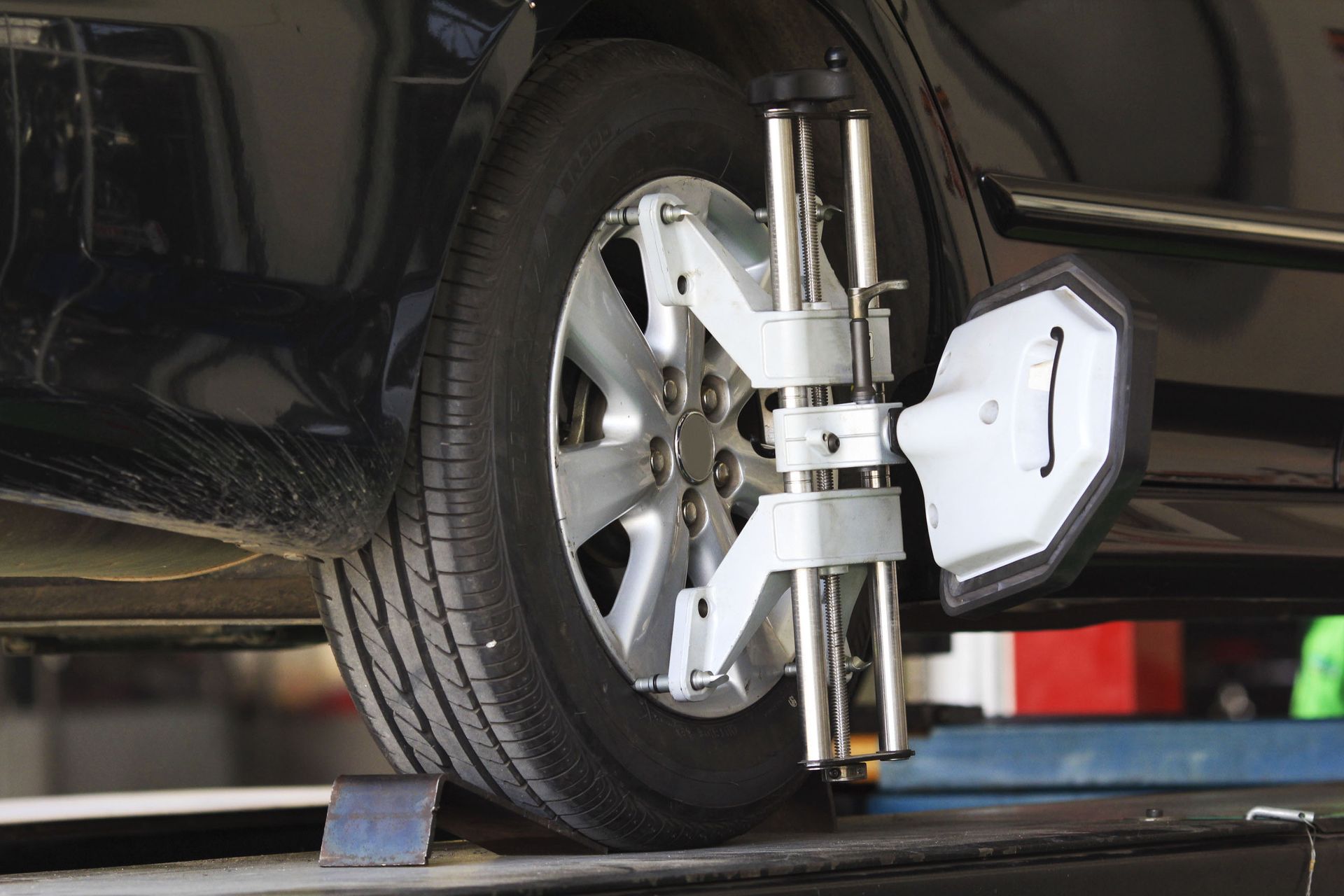
Proper wheel alignment plays an important role in a vehicle's handling, tire condition, and overall performance. When wheels are not aligned correctly, drivers may notice uneven tire wear, steering problems, or changes in how their vehicle moves on the road. According to AutoInc, nearly 35% of vehicle owners delay wheel alignments. This statistic highlights how common it is for drivers to overlook alignment maintenance, even when it can affect their vehicle's condition. These issues can develop gradually, making it easy to overlook the need for an alignment. This article explains the dangers of avoiding wheel alignments, how alignment problems can affect a vehicle, and why seeking professional help can support safer driving and help prevent further damage.
Recognizing Uneven Tire Wear
One of the most common effects of poor wheel alignment is uneven tire wear. When wheels are positioned incorrectly, certain parts of the tires may experience more friction against the road. This can cause some areas to wear down faster than others. Uneven tire wear can shorten the useful life of a set of tires. Tires that wear unevenly may need to be replaced sooner than expected, creating an additional expense for vehicle owners. The problem can also affect how the vehicle responds while driving.
Drivers may notice that the inner or outer edges of their tires appear more worn than the center. In other cases, the tire tread may show uneven patterns across the surface. These changes can indicate that the wheels are not positioned correctly. Regular attention to alignment can help reduce unnecessary tire wear. When wheel repairs are needed, seeking professional help can also make it easier to determine whether alignment problems have contributed to the condition of the wheels or tires.
Reducing Steering and Handling Problems
Wheel alignment affects how a vehicle responds to steering input. When the wheels are properly positioned, the vehicle should generally move in the direction the driver intends. Poor alignment can make steering feel less consistent. A vehicle with alignment problems may pull to the left or right while traveling on a straight road. Drivers may find themselves making frequent steering adjustments to maintain their direction. This can make everyday driving more tiring and less comfortable.
The steering wheel may also appear crooked when the vehicle is moving straight ahead. Some drivers may notice that the vehicle feels less stable when turning or changing lanes. These changes can affect the overall driving experience. Seeking professional help when steering concerns develop can help identify whether alignment is contributing to the problem. Addressing these concerns can support more predictable vehicle handling and reduce the need for constant steering corrections.
Increasing Safety Risks
Alignment problems can affect more than comfort and tire condition. They can also create safety concerns, especially when a vehicle becomes harder to control. When the wheels do not work together properly, drivers may have difficulty maintaining a steady direction. Poor alignment can become more noticeable during sudden stops, turns, or lane changes. A vehicle that pulls to one side may require additional steering adjustments to remain on course. These changes can make it harder to respond to unexpected road conditions.
Tire wear can also affect safety. When tires become unevenly worn, they may not maintain consistent contact with the road. This can influence traction and vehicle stability, particularly when driving on wet or uneven surfaces. Seeking professional help when alignment problems develop can help address these concerns before they become more serious. Regular vehicle maintenance can also help drivers recognize changes in handling and tire condition that may require attention.
Maintaining Tire Performance
Tires play an important role in how a vehicle moves, turns, and stops. Their condition can affect the overall driving experience, making proper alignment an important part of regular vehicle care. When alignment is incorrect, tires may experience unnecessary friction as they move across the road. This can create additional wear and affect how well the tires perform over time. Even when the tires appear to have sufficient tread remaining, uneven wear can influence their condition.
Avoiding wheel alignments can also make it harder to maintain consistent tire performance. Tires that wear unevenly may not respond as expected during everyday driving. This can affect comfort and make the vehicle feel less predictable. When wheel repairs are needed, it is helpful to consider whether alignment problems have contributed to the damage. Seeking professional help can provide a clearer understanding of the vehicle's condition and the steps needed to address concerns.
Preventing Additional Vehicle Damage
Wheel alignment problems can affect other parts of a vehicle over time. When the wheels are not positioned correctly, certain components may experience additional stress during regular driving. This can contribute to wear that extends beyond the tires. Suspension and steering components help support vehicle movement and control. Alignment problems can affect how these parts work together, potentially contributing to additional wear. The longer the issue continues, the more likely it is that other concerns may develop.
Drivers may also notice changes in ride comfort. A vehicle with alignment problems can feel less stable or produce unusual vibrations while moving. These symptoms may have several possible causes, making a professional assessment important. Addressing alignment concerns early can help reduce the risk of additional damage. Seeking professional help can also make it easier to identify whether the issue is limited to alignment or involves other parts of the vehicle.
Managing Long-Term Maintenance Costs
Avoiding wheel alignments may seem like a way to delay vehicle maintenance, but it can lead to higher costs over time. Uneven tire wear can shorten tire life, while ongoing alignment problems may contribute to additional vehicle concerns. Replacing tires more frequently can create an unexpected expense. When tires wear unevenly, drivers may need to replace them sooner than anticipated. This can affect maintenance budgets and make vehicle ownership more expensive.
Alignment problems can also make it harder to identify the source of other concerns. A vehicle that pulls to one side or develops unusual handling may require further attention if the underlying issue continues. Addressing alignment concerns early can help prevent avoidable complications. Regular maintenance can provide an opportunity to identify changes in tire condition and vehicle handling. When wheel repairs are necessary, understanding the cause of the problem can help drivers make informed decisions about the work needed.
Improving Everyday Driving Comfort
A properly aligned vehicle can provide a more consistent driving experience. When the wheels are positioned correctly, the vehicle can move more smoothly and respond more predictably to steering input. Poor alignment may create noticeable discomfort during regular trips. Drivers may need to make frequent steering adjustments, or the vehicle may feel less stable on straight roads. These issues can make commuting and longer trips more tiring.
Alignment problems can also contribute to unusual vibrations or changes in how the vehicle feels while moving. These symptoms can affect driving comfort and may indicate that the vehicle needs attention. Seeking professional help when these concerns appear can help identify whether alignment is contributing to the problem. Addressing the issue can support a smoother driving experience and help reduce unnecessary strain on the vehicle.
Signs of alignment problems include uneven tire wear, a crooked steering wheel, or a vehicle that pulls to one side. These issues may develop gradually or after an impact. Seeking professional help can identify alignment concerns and support consistent handling. Wheel repairs may also be needed after road impacts or everyday wear. Addressing alignment problems early can reduce tire wear, improve driving comfort, and help prevent additional vehicle damage. Contact Alloy Wheel Repair Pro to discuss your wheel repair needs and learn how professional help for wheel repairs can address alignment concerns and support your vehicle's performance.